
How to reduce food waste in your restaurant (and how refrigeration helps)
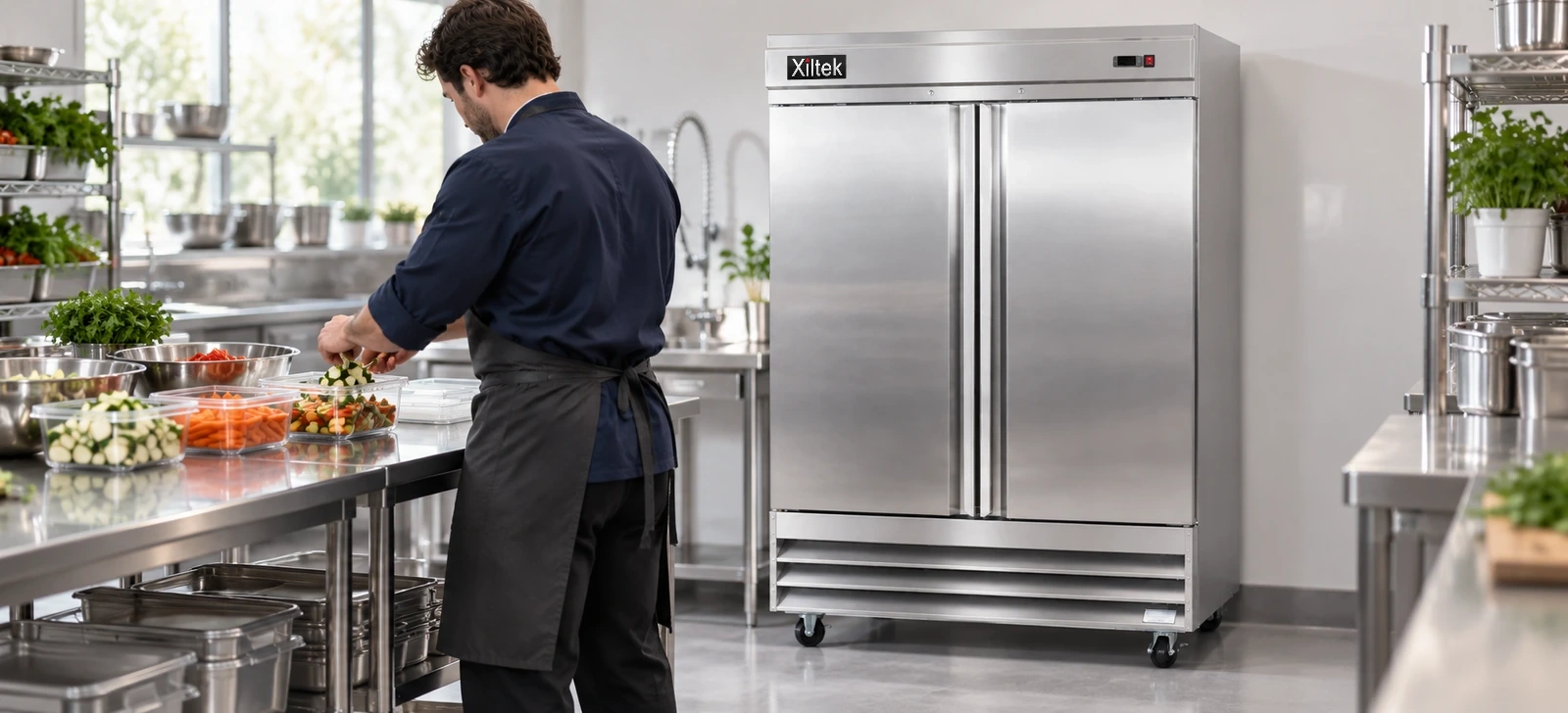
- Waste is lost money. Every thrown-away ingredient is food you paid for and labor you spent.
- Track what you throw out. You cannot fix what you do not measure.
- Good storage, FIFO and accurate temperatures keep food fresh longer.
- Reliable, correctly sized refrigeration is one of the best waste-reduction tools you own.
Food costs are one of the biggest expenses in any restaurant, and waste quietly eats into them every day. Reducing it is one of the fastest ways to improve margins. These practical steps work in kitchens of every size.
Run a waste audit
For two weeks, record what gets thrown out and why: spoilage, over-prep, plate waste, mistakes. A simple log or a bin you weigh each day is enough. Patterns appear quickly. Maybe one prepped item is always thrown out, or one delivery always arrives in too large a quantity.
Prep to demand
Prepare based on what you actually sell, not on guesses. Track sales by day of the week, adjust prep lists to match and cook in smaller batches throughout service where you can.
Right-size portions and menus
- Check plate waste. If the same food keeps coming back, the portion may be too large.
- Use the same ingredients in several dishes so nothing is left over.
- Trim the menu if some items sell slowly and need rare, perishable ingredients.
Store food correctly
The right temperature and organization keep food fresh longer. Hold cold food at 41°F or below, keep items covered and labeled and follow the storage order in our guide to organizing a commercial refrigerator.
Rotate with FIFO
First in, first out ensures the oldest stock is used first. Label and date everything, and put new deliveries behind existing stock.
Use refrigeration as a tool
- Make sure units hold temperature. A drifting refrigerator spoils food. See the signs your refrigerator needs attention.
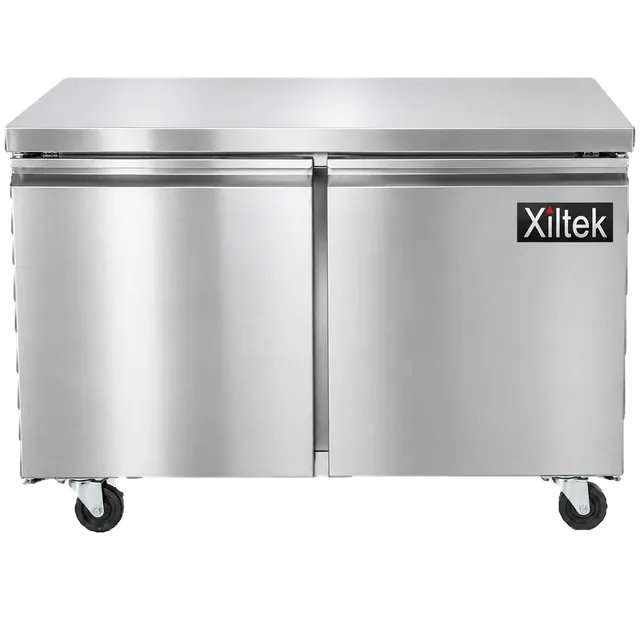
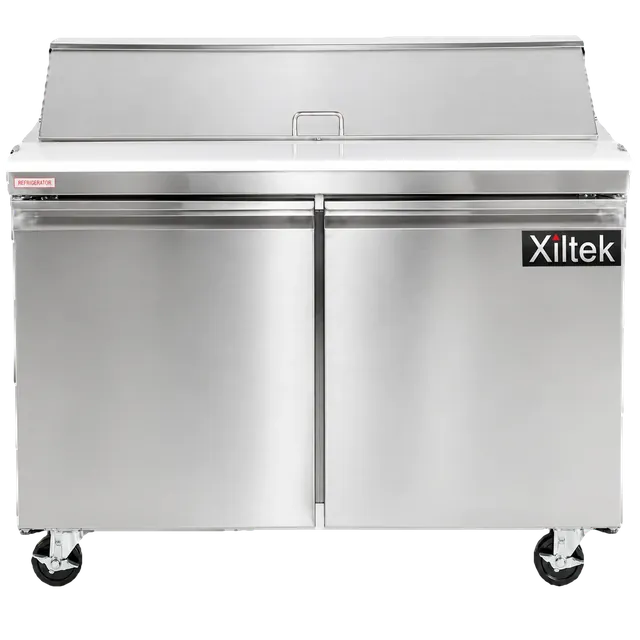
- Use the right unit for the job: prep tables keep ingredients cold at the station, undercounters put cold storage next to the line.
- Keep gaskets and coils clean so the unit runs efficiently.
- Do not overload units, since poor airflow causes uneven cooling.
Train and involve your team
Staff are the ones who see waste happen. Explain the goal, share the numbers and ask for ideas. Small habits, like checking dates and returning items to the right zone, add up.
Make use of leftovers, safely
Turn trimmings into stocks, sauces or specials. Consider donating safe, unserved food through local programs where permitted. Follow your local health code for anything involving held or leftover food.
How Xiltek equipment supports a low-waste kitchen
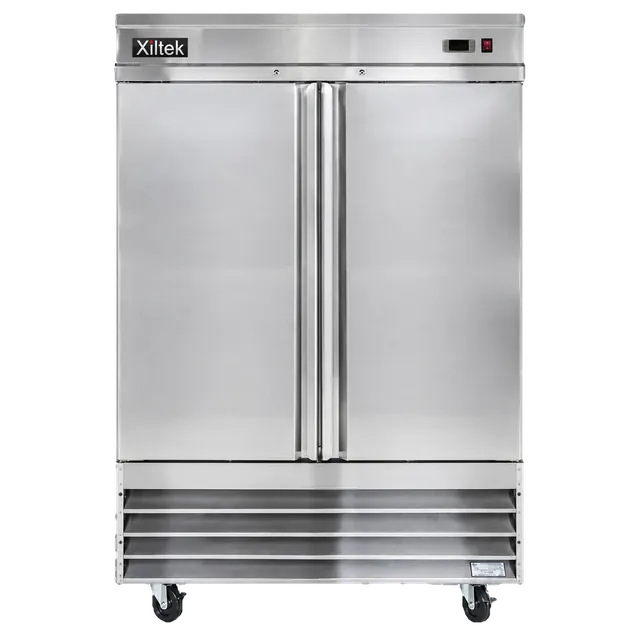
Choosing the right size and type of cold storage helps you stock what you need and keep it at the right temperature. With 49 models across 11 categories, Xiltek lets you match equipment to your menu, from reach-in refrigerators to prep tables and undercounter units. Its R290 systems are also built to be energy efficient.
Right-sized, efficient refrigeration with easy-to-clean stainless steel surfaces helps keep food fresh and your kitchen running smoothly.
Frequently asked questions
What is the biggest cause of restaurant food waste?
Over-preparation and spoilage are two of the most common, followed by overly large portions and poor storage. An audit will show you which matters most in your kitchen.
Does better refrigeration really reduce waste?
Yes. Units that hold a steady, correct temperature and are sized properly keep food fresh longer, and cold storage at the right spot in your kitchen reduces trips and time out of refrigeration.
How do I start a waste audit?
Choose a two-week period, record what you throw out and why, and review it each week to spot patterns.